Valves rarely fail without warning. A packing leak that starts as a damp stem, a handwheel that is getting harder to turn, a check valve that bangs when the pump stops: these are the signs of a problem that is cheaper to fix early. Most valve problems have a small number of root causes, and many can be prevented by correct selection, installation and routine attention.
This guide lists the most common problems, what usually causes them and how to correct them. It is a general guide; always follow the manufacturer’s procedures and your site’s safety rules, and depressurise and isolate a valve before any work.
Quick troubleshooting table
| Symptom | Likely causes | First actions |
|---|---|---|
| Leakage through the seat when closed | Debris on the seat, seat or disc damage, erosion, incomplete closing | Flush, close again; inspect and lap or replace seat parts |
| Leakage at the stem | Worn or loose packing, scored stem, wrong packing | Tighten gland evenly; renew packing; check stem surface |
| Leakage at the body-bonnet joint | Loose bolting, damaged gasket, thermal cycling | Check bolt torque per procedure; replace gasket |
| Hard to operate or stuck | Corrosion, dried lubricant, thermal binding, packing too tight | Lubricate stem threads; ease gland; check for binding |
| Chatter or banging in a check valve | Low flow, turbulence, wrong type, surge | Review sizing and type; check installation |
| Noise and vibration in a throttling valve | Cavitation, flashing, high velocity | Review operating conditions and trim; consider a globe or control valve |
Seat leakage
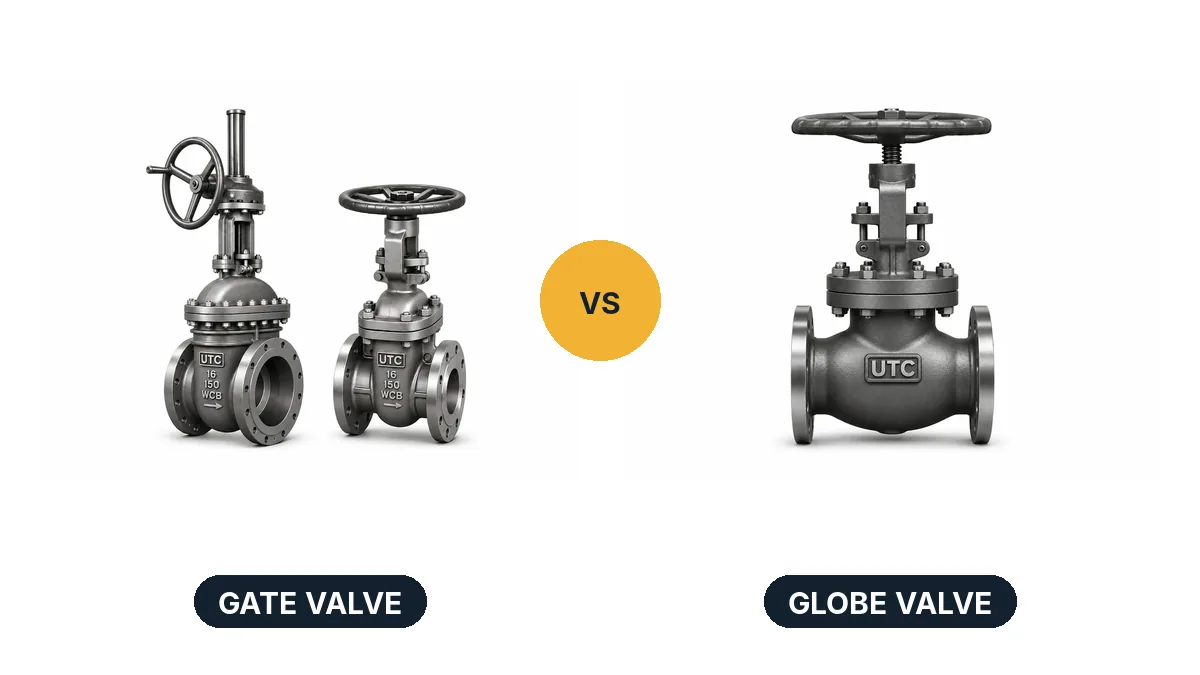
Seat leakage means the valve does not shut off fully. The most common cause is debris trapped between the seating surfaces, which is why strainers and flushing before commissioning matter. The next most common cause is seat damage from throttling a valve that was designed for on-off duty, or from erosive flow. Gate valves used for throttling are a frequent example; read gate valve vs globe valve for the difference.
Solutions depend on the damage. Light scoring may be corrected by lapping the seating surfaces, where the design allows it. Heavier damage needs seat or disc replacement. Where leakage keeps returning, reconsider the valve type, the trim hardness or the service conditions.
Stem and packing leaks
Packing wears with each stroke and with temperature cycles. A small leak at the gland can often be corrected by tightening the gland nuts evenly, a little at a time. Over-tightening increases stem friction and wears the packing faster. If tightening does not stop the leak, the packing needs renewing. Check the stem surface for scoring or corrosion, because a damaged stem will cut new packing quickly. For services where emissions are tightly controlled, live-loaded packing and low-emission packing sets are available. Use the packing type specified for the fluid and temperature.
Body and bonnet leaks
A leak at the body-bonnet joint is usually caused by loose bolting, a damaged gasket or thermal cycling that relaxes a bolted joint. Retightening should follow the manufacturer’s torque and pattern. If the leak continues, replace the gasket. In services with high pressure and frequent temperature cycles, a pressure seal bonnet may be a better design. Never tighten bolts on a pressurised valve unless the procedure allows it.
Difficult or stuck valves
A valve that is hard to turn may be suffering from corrosion on the stem threads, dried lubricant, dirt in the yoke, over-tightened packing or thermal binding. Thermal binding occurs in gate valves when the body cools around a hot wedge and clamps it. Flexible wedge designs reduce the risk. Lubricate stem threads on schedule, keep stems clean and operate rarely used valves periodically. Do not use a cheater bar on a handwheel, because it can bend the stem or break the yoke. If the valve is gear-operated, check the gearbox as well.
Check valve problems
Chatter or flutter results from low flow, turbulent flow or an oversized valve. Slamming results from slow closing against reverse flow, and it creates pressure surges. Reverse leakage can result from seat damage or a stuck disc. The right type, correctly sized and installed with adequate straight pipe, avoids most problems. See how to choose a check valve. Inspect hinge pins and springs regularly.
Cavitation, flashing and erosion
When flow through a restriction causes the local pressure to fall below the fluid’s vapour pressure, bubbles form and collapse, damaging metal surfaces. This is cavitation, and it is noisy and destructive. Flashing occurs when the downstream pressure stays below vapour pressure, and the liquid turns partly to vapour, which erodes surfaces at high velocity. Both are most common in throttling valves. Remedies include changing the pressure drop split, using anti-cavitation trim or harder trim materials, or choosing a valve designed for the duty.
Installation errors
- Installing a directional valve against the flow arrow
- Poor pipe support that loads the valve body
- Leaving construction debris in the line
- Over-tightened flange bolting that distorts the body
- Mounting an operator in an inaccessible orientation
- Forgetting to remove shipping plugs or protective covers
A short pre-commissioning checklist catches most of these.
Repair or replace?
Repair is often sensible for packing, gaskets, soft seats and minor seat damage. Replacement may be better when the body is thinned by corrosion or erosion, when the valve has been repeatedly repaired for the same fault, when the seating surfaces are beyond lapping, or when the original valve type is wrong for the duty. Weigh the cost of repair, the downtime and the age and condition of the valve. Where the same valve fails repeatedly, review the cause rather than simply repeating the repair. A change in valve type, trim or material often solves a recurring problem.
Records that help
Keep a short record for each critical valve: tag number, location, type, size, class, material, installation date, last inspection, repairs and parts used. Patterns show up quickly when the history is written down, such as a particular service that wears packing quickly. This information also helps when you order spares or replacements, because the supplier can match the original specification precisely.
Preventive maintenance
A planned programme is cheaper than breakdown repairs. Identify critical valves and inspect them first. Operate rarely used valves periodically, check packing and gland condition, lubricate stems, test safety valves on schedule and keep records. Use the correct spare parts. For safety valves, follow the testing programme and read what safety relief valves are for the points to monitor. If you need replacement valves or spares, send the details through Request a Quote.
Frequently asked questions
Why does a valve leak when closed?
Usually because of debris on the seat, seat damage or erosion. Flushing and inspecting the seat are the first steps.
Can I tighten a leaking gland while the valve is in service?
Small, even adjustments are common practice, but follow your site procedures and the manufacturer’s guidance.
What is thermal binding?
The clamping of a gate valve wedge when the body cools around a hot wedge, making it hard to open.
Why does my check valve slam?
The disc closes late against reverse flow. A faster-closing design or better sizing usually helps.
References and further reading
Standards and codes are published by their issuing bodies. Always use the current edition named in your project specification.