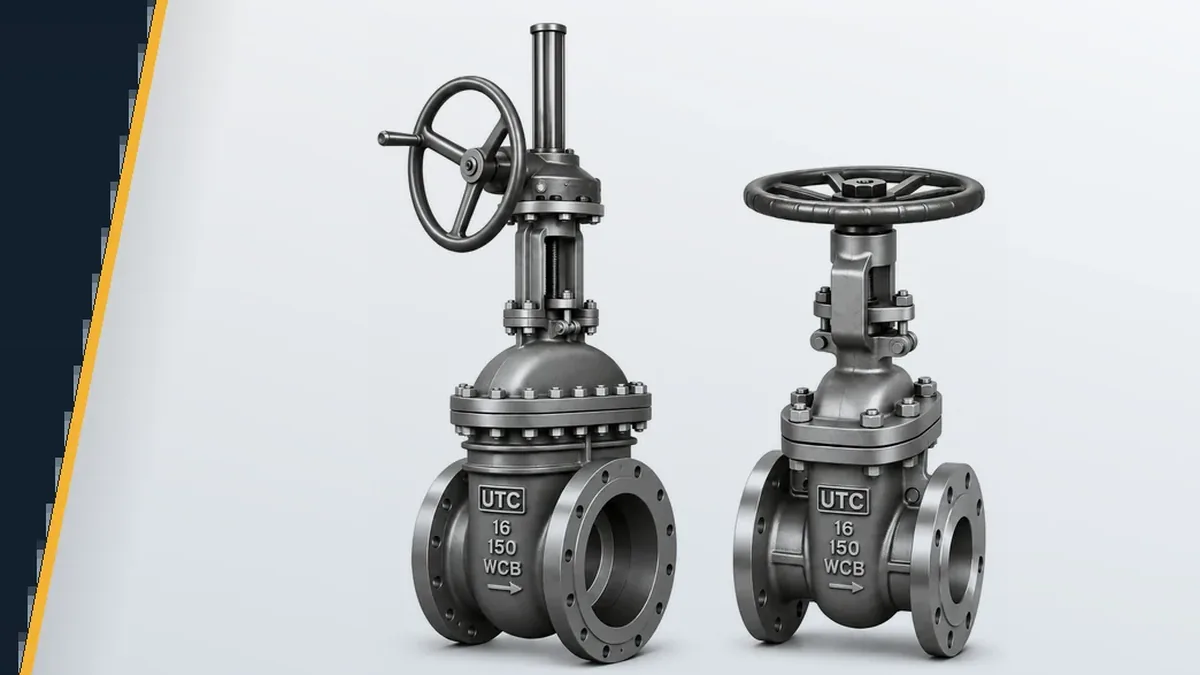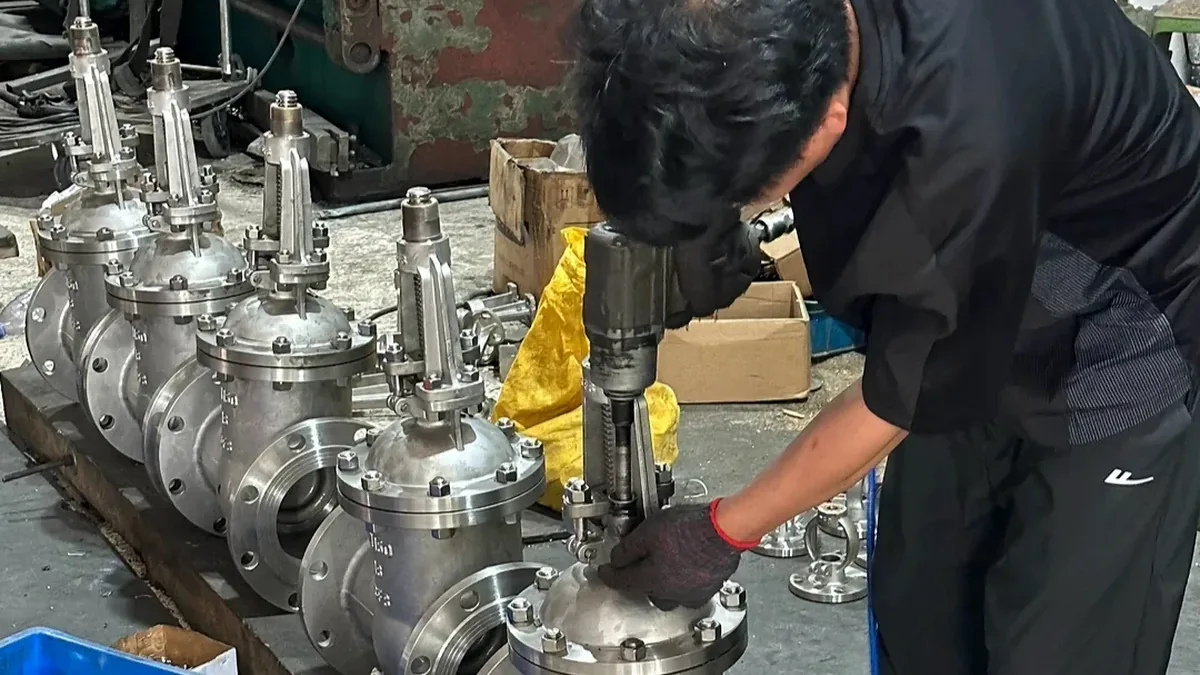
On an EPC project, valves are bought in hundreds or thousands, across many sizes, classes and materials. Most of them are routine. A small number are critical, long-lead or technically unusual. The procurement team’s job is to make sure that every valve meets the specification and arrives when construction needs it.
This guide follows the typical procurement path from the first material take-off to delivery on site, and highlights the points where projects often lose time.
The procurement path at a glance
| Stage | Main output | Typical owner |
|---|---|---|
| Valve material take-off (MTO) | Valve list by tag, type, size and class | Piping / process engineering |
| Valve data sheets | Technical requirements for each valve type | Piping / valve engineer |
| Vendor selection | Approved bidders list | Procurement and engineering |
| RFQ and bid evaluation | Technical and commercial comparison | Procurement and engineering |
| Purchase order | Binding scope, specification and documents | Procurement |
| Expediting and inspection | Production monitoring, tests and release | Expediting and inspection |
| Shipping and receipt | Delivery, storage and preservation | Logistics and site |
Step 1: Build the valve list
The valve MTO comes from the piping and instrumentation diagrams and the piping class specifications. Each line class defines the valve types, ratings, materials and standards that apply to that service. The MTO groups valves by type, size, class, material and end connection, and notes special requirements such as fire-safe design, sour service, extended stems or actuation. An accurate MTO prevents later change orders, and a margin for spares and growth is normally added.
Step 2: Prepare data sheets and specifications
Valve data sheets turn the line class into a purchasing document. They list the design standard, pressure class, body and trim materials, bonnet type, end connections, operator, testing, painting and marking. Where a project uses a general valve specification, the data sheets refer to it. Use the same terms throughout. Ambiguity in the data sheet leads to ambiguous quotations. See how to select a gate valve for the choices a data sheet should cover.
Step 3: Select bidders
Most EPC contractors and owners keep approved vendor lists. Check that each bidder is approved for the valve type, size range and standard required. For non-standard items, consider a technical pre-qualification. Aim for enough bidders to create competition, but not so many that evaluation becomes a burden. For long-lead or critical valves, assess the supplier’s capacity and current workload at this stage.
Step 4: Issue the RFQ
- Valve list or MTO with quantities
- Data sheets and the applicable specifications
- Inspection and test requirements, including third-party inspection
- Documentation requirements and vendor document register
- Delivery schedule and delivery terms
- Commercial terms, validity and bid format
- Requirement for a deviation list and a compliance statement
A complete RFQ gives suppliers what they need to quote correctly and reduces clarifications.
Step 5: Evaluate bids technically, then commercially
Technical evaluation checks each bid against the specification: standards, materials, ratings, testing, documentation and deviations. Clarifications are issued, and bids are brought to the same technical basis. Only technically acceptable bids go into the commercial comparison. In that comparison, consider price, payment terms, delivery, warranty and the supplier’s past performance, and assess total landed cost, including inspection and freight. Choosing the lowest price on a technically unequal basis is a common cause of later problems.
Step 6: Place the purchase order
The purchase order should incorporate the specification, data sheets, inspection and test plan, documentation list and delivery dates, and should state which edition of each standard applies. Deviations agreed during clarification should be written into it. Add a schedule of submittals, such as drawings for approval, so that engineering can review them without delaying production.
Step 7: Expediting, inspection and documentation
Expediting follows production milestones: material receipt, casting or forging, machining, assembly, testing and dispatch. Inspection, by the buyer or a third party, is normally planned with hold and witness points, as described in our article on valve inspection and testing. The final data book should contain certificates, test reports and drawings for each valve or batch, traceable to the tag numbers where required.
Step 8: Shipping, receiving and storage
Plan shipping around the construction schedule, grouping valves by area where possible. On receipt, check quantity, markings and condition against the purchase order, and match heat numbers to certificates. Store valves covered, with end protectors in place and in the correct position for storage. Preservation until installation matters, because a valve damaged in storage costs time to replace on site.
Spares and long-lead items
Commissioning spares and, where required, two-year operating spares are usually part of the purchase. Long-lead items include large sizes, high classes, special alloys and actuated valves. Identify them early, place orders first and monitor them closely. Share your list with UTC VALVES early in the project if availability matters.
Who is responsible for what
| Party | Typical responsibility |
|---|---|
| Owner | Sets project specifications, approved manufacturer lists and final acceptance |
| EPC contractor | Engineers the plant, prepares data sheets, buys and manages delivery |
| Valve supplier | Manufactures or supplies to the specification, issues documents and tests |
| Inspection agency | Verifies tests and documents at the supplier’s works |
| Site logistics | Receives, stores and preserves valves until installation |
Clarity about who approves drawings, deviations and release for shipment avoids the delays that arise when everyone assumes someone else is responsible.
Planning the schedule backward from site
Start with the date that each valve group is needed on site and work backward: transport, final inspection and testing, manufacture, material procurement, drawing approval, bid evaluation and RFQ. Include time for document review, which is often underestimated. Add float for long-lead items, and track them weekly. When a delay is likely, raise it as early as possible. Options include splitting an order, releasing part shipments or reviewing alternatives with engineering, but these should be agreed formally.
Using a compliance matrix
A compliance matrix is a simple table in which each bidder states, line by line, whether its offer complies with the specification, with any deviation explained. It turns a stack of quotations into a comparable set and shows quickly where a bid departs from the data sheet. Ask bidders to complete it in the RFQ, and have the engineer review every deviation before commercial comparison. Agreed deviations should be written into the purchase order. This one tool prevents many of the disputes that otherwise appear during inspection or at site.
Common pitfalls
- Late or incomplete MTOs that cause repeated change orders
- Data sheets that conflict with the line class
- Accepting deviations without engineering review
- Starting inspections without an agreed test plan
- Underestimating documentation lead time
To start a quotation, submit your valve list through Request a Quote.
Frequently asked questions
What is a valve MTO?
A material take-off listing the valves required, by type, size, class and material, derived from P&IDs and piping class specifications.
What is technical bid evaluation?
A comparison of each bid with the specification, done before prices are compared, to ensure all bids meet the same requirements.
Why are inspection hold points important?
They prevent work from continuing past a critical step, such as final testing, until the inspector has approved it.
When should long-lead valves be ordered?
As early as the data sheets are approved, because large sizes, high classes and special alloys take longer to produce.
References and further reading
Standards and codes are published by their issuing bodies. Always use the current edition named in your project specification.