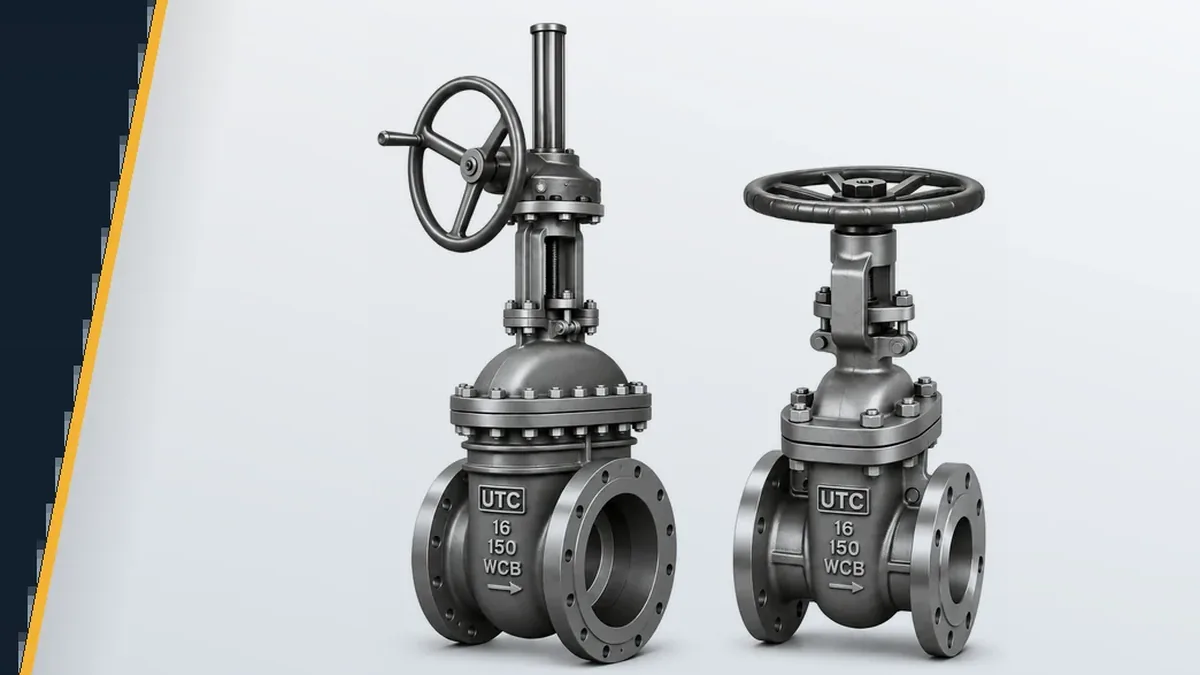
How to Import Industrial Valves from India to Kenya
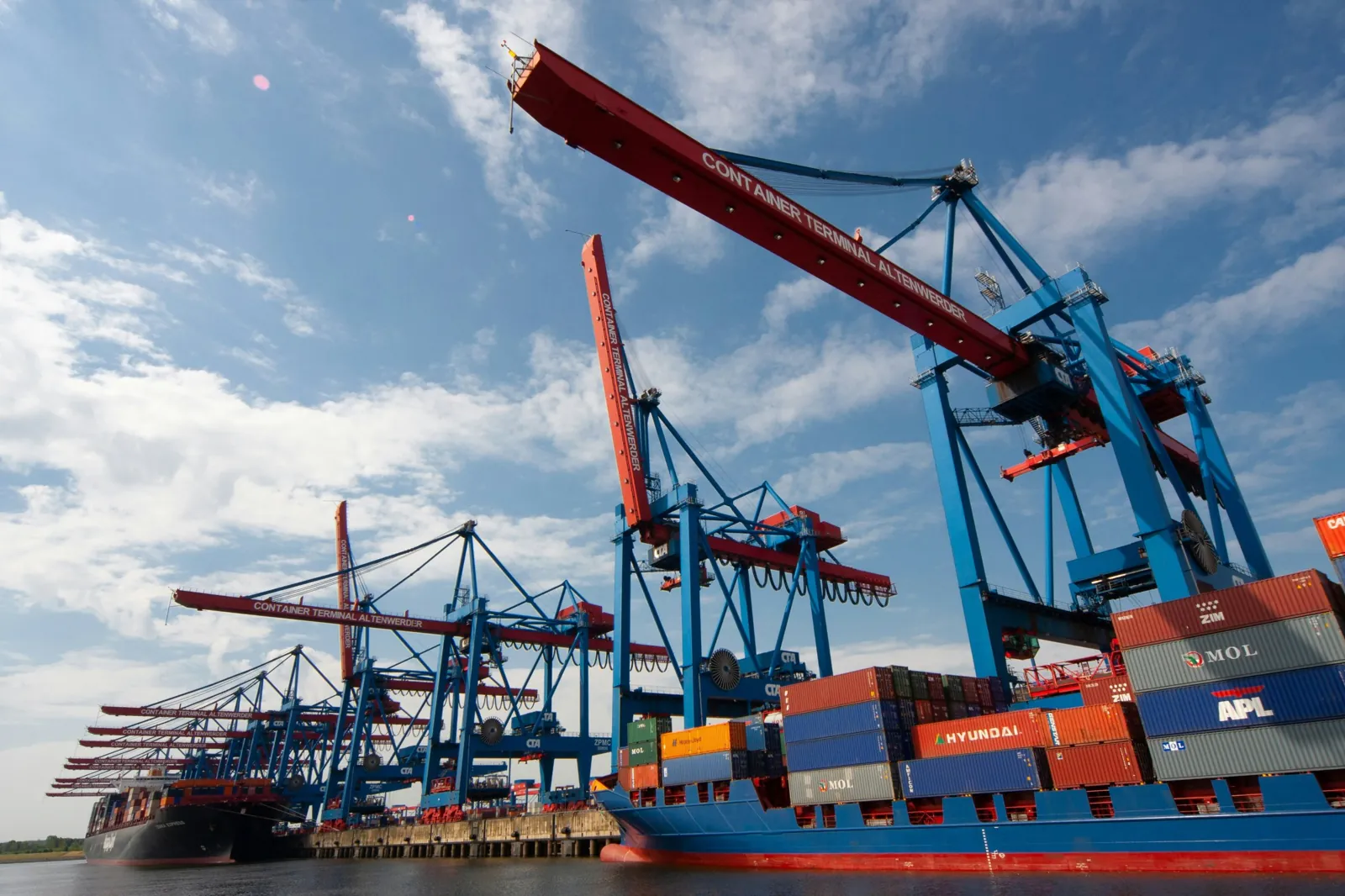
Importing industrial valves from India to Kenya is straightforward when the specification, the KEBS conformity route and the shipping documents are agreed before the order is placed. Most delays at Mombasa come from paperwork, not from the valves.
Start with a complete specification
Send the supplier a valve schedule or data sheet that states valve type, size, pressure class, body and trim materials, end connections, design standard and testing standard for every line item. A short list such as “4 inch gate valve, class 150” invites assumptions that may not match your plant.
Ask the supplier to confirm each line against your specification and to list any deviation in writing. This is the single most effective way to avoid disputes after delivery.
Check the KEBS PVoC requirement
Kenya applies a Pre-Export Verification of Conformity programme to regulated goods. India falls in one of the KEBS PVoC zones, so if your valves fall under a regulated category, a Certificate of Conformity must be issued before the goods leave India.
Confirm with your clearing agent whether your HS codes are regulated. If they are, the supplier arranges inspection with the appointed agency and provides test reports, ideally from an ISO/IEC 17025 accredited laboratory.
Agree the shipping terms
Most Indian valve exports to Kenya travel by sea from Nhava Sheva (JNPT), Mumbai, to Mombasa. Under FOB terms you arrange the ocean freight; under CIF the supplier books freight and insurance to Mombasa.
For small urgent orders, air freight to Nairobi is possible but costs considerably more per kilogram.
Get the documents right
A typical shipment needs a commercial invoice, packing list, bill of lading, Certificate of Origin, material test certificates and pressure test reports, plus the PVoC Certificate of Conformity where applicable.
Check that valve descriptions, quantities and HS codes match across every document. Small mismatches are a common cause of clearance delays.
Inspect on arrival
When the cases are opened, check markings against the order, look for transit damage on flanges and handwheels, and keep the test certificates with the valves for installation records.
Frequently asked questions
How long does shipping from India to Mombasa take?
Transit time depends on the vessel and route. Ask for the confirmed sailing schedule when you place the order.
Who pays for PVoC inspection?
This is agreed between buyer and supplier. Fees are set by the inspection agency and usually linked to the shipment value.
Looking for a Reliable Valve Manufacturer?
Send your specification, datasheet or bill of materials. Our team reviews every enquiry and responds with availability and a quotation.